Cabinet Refacing vs Full Replacement
Refacing saves 30-50% and takes days; replacement lets you change the layout. When each makes sense for your Columbus kitchen.
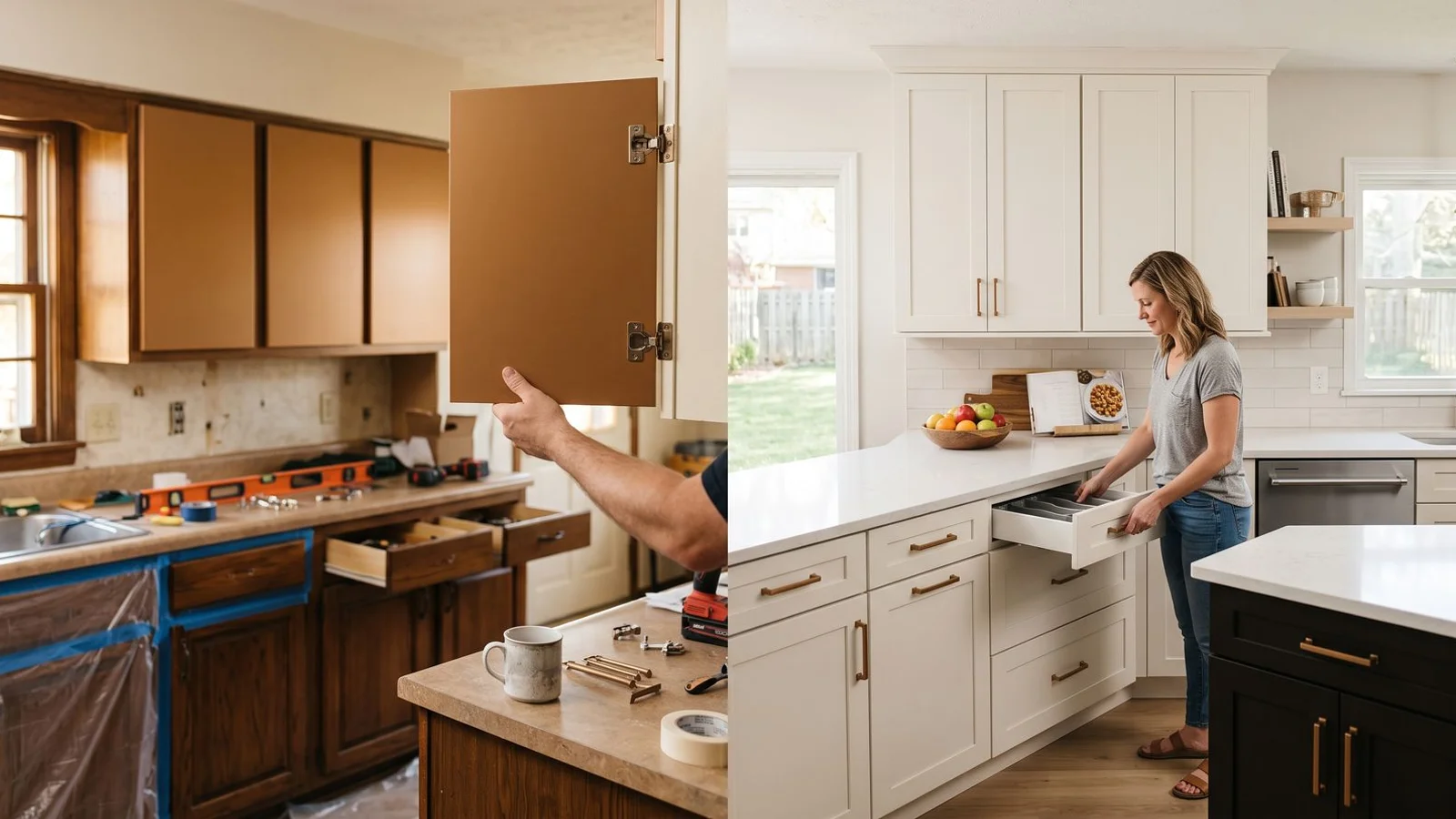
Our team has guided Central Ohio homeowners through kitchen renovations for years.
The biggest hurdle is usually deciding between cabinet refacing vs replacement. We see clients struggle because this choice dictates both the budget and daily family life for weeks.
A targeted refresh often makes more financial sense than a gut remodel.
We will outline the exact cost differences and timelines to help you make an informed decision. Let us look at the data and explore practical ways to respond.
The one-sentence summary
Refacing keeps your existing cabinet boxes and replaces the visible surfaces. This process updates doors, drawer fronts, veneers, and hardware to deliver a brand-new look. You can expect 30 to 50 percent less cost, and the work finishes in three to five days instead of weeks.
Replacement removes everything and installs entirely new cabinets. This route lets you change the layout and add cabinetry, but it comes at a higher cost and causes longer disruption.
We often recommend refacing for clients who want the popular 2026 white oak or warm neutral trends without buying all-new frames. Saving the original boxes frees up cash for premium upgrades like soft-close hinges or quartz countertops.
The decision comes down to five questions
Our consultation process always starts by evaluating the core bones of your kitchen. The right choice depends on your timeline, budget, and structural needs.
1. Are your cabinet boxes structurally sound?
If your current setup features sturdy plywood or solid MDF boxes, refacing is an excellent candidate. Older custom cabinets are often built better than modern builder-grade replacements.
We tell clients to perform a simple moisture check under the kitchen sink. Soft spots, warping, or failing joints mean replacement is necessary.
2. Do you want to change the layout?
Refacing works perfectly if the current footprint serves your daily routine. Keeping the same layout avoids expensive structural changes.
Our contractors note that moving an island or expanding a pantry drastically increases the project scope. You should plan for a full replacement if you want to move the sink or change the entire footprint.
3. Are you moving plumbing or electrical?
Updating standard outlets or a faucet does not require demolition, so refacing works well. Major utility relocations change the entire equation.
We see Central Ohio permit and labor costs easily add thousands of dollars for moving a gas line or major plumbing stack. Replacement is required or at least much easier if your design involves these utility shifts.
4. Is budget a primary factor?
Refacing saves 30 to 50 percent off the total project cost. The 2025 Cost vs. Value report shows a minor kitchen remodel recoups around 96 to 113 percent of its cost at resale.
We always highlight this statistic because upscale major replacements only return about 38 to 50 percent. Both options remain on the table if budget flexibility exists, but refacing is the smarter financial play for a fast return.
5. Do you need this done fast?
Refacing wraps up in three to five days on site. This speed is a genuine advantage when you need a finished kitchen for hosting or resale commitments.
Our team emphasizes that custom cabinet replacement easily takes eight to fourteen weeks from order to installation. Replacement requires a very flexible household schedule.
If you answered “no change” to layout and utilities, and your boxes are sound, refacing is almost always the right call.
Cost comparison
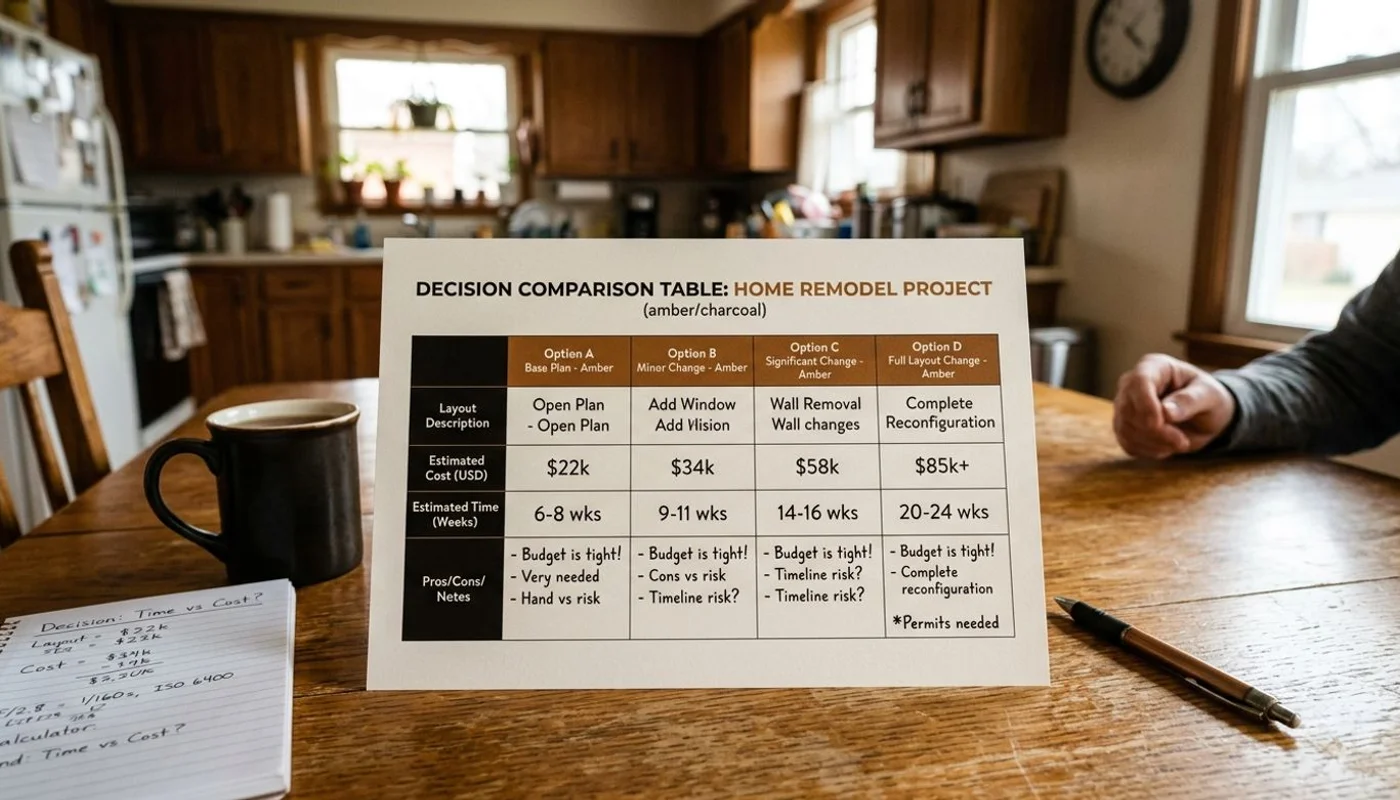
We pull our estimates directly from recent Central Ohio pricing data for a typical mid-size kitchen with 25 cabinet doors and 10 drawers. The gap between these two options remains significant across all design tiers.
Adding counters, backsplashes, hardware, and labor provides a fair total-project comparison. The delta between refacing and replacement remains 30 to 50 percent across most price points in 2026.
| Service Type | Estimated Cost (Central Ohio) | What It Includes |
|---|---|---|
| Cabinet Refacing | $6,000 - $12,000 | New doors, drawer fronts, matching veneers, hardware, and labor. |
| Semi-Custom Replacement | $12,000 - $22,000 | New stock or semi-custom boxes, layout adjustments, and basic finishes. |
| Full-Custom Replacement | $18,000 - $40,000+ | Custom-built boxes, major layout changes, and premium finishes. |
Our project managers note that a minor kitchen remodel averaging $28,458 nationally often includes refacing alongside new appliances and countertops. You can achieve a luxury aesthetic without the luxury price tag.
Timeline comparison
Our scheduling software shows a stark contrast in wait times between these two remodeling paths. The national supply chain for full cabinet builds still experiences delays in 2026.
Refacing bypasses the long manufacturing queues because only the exterior materials need custom sizing. You can see the clear differences in the timeline breakdown below.
- Cabinet refacing: 4 to 6 weeks total. This includes 1 to 2 weeks for design, a 3 to 5 week lead time for materials, and just 3 to 5 days for on-site installation.
- Semi-custom replacement: 8 to 14 weeks total. Expect 2 to 3 weeks for planning, 4 to 6 weeks for cabinet fabrication, and 3 to 4 weeks of messy installation.
- Full-custom replacement: 14 to 22 weeks total. This massive scope requires 3 to 4 weeks of design, 8 to 12 weeks of lead time, and 4 to 6 weeks for installation.
We find that refacing is the only realistic option if you have an upcoming holiday event or a hard real estate listing date. The speed of completion eliminates the stress of living in a construction zone for months.
Disruption comparison
We always warn clients that a full gut remodel turns a home upside down. Removing old boxes means losing your countertops, sink, and primary appliances for the duration of the project.
Setting up a temporary kitchen with a microwave and a hot plate gets old very quickly. You should consider the daily lifestyle impact just as much as the financial cost.
- Refacing: Disruption is minimal. Cabinet boxes stay in place, and the kitchen remains 60 to 80 percent usable throughout the install. Your sink and stove stay connected.
- Semi-custom replacement: Expect 2 to 3 weeks of a completely unusable kitchen during the demolition and install phases.
- Full-custom replacement (with layout changes): You will face 3 to 6 weeks of an unusable kitchen, plus the need for a temporary cooking setup elsewhere in the home.
Our installers use heavy-duty dust barriers for all projects, but keeping the original boxes significantly reduces airborne debris. Refacing is much gentler on your daily routine.
When replacement is clearly the better call
We never push refacing if a kitchen has serious functional or structural flaws. Total replacement is the right choice when your current space actively works against your needs.
You must choose replacement when:
- Boxes are structurally compromised by water damage, warping, or rot.
- You want to change the layout to move a sink, expand a run of cabinets, or add a walk-in pantry.
- You need to redo plumbing or electrical systems behind the walls.
- Existing cabinets are undersized for your storage needs, which is very common in older, small kitchens.
- You want to change from face-frame to full-overlay styling, which is possible with refacing but sometimes cleaner with replacement.
Our design team can completely reimagine a cramped floor plan from the ground up. For layout changes and full custom builds, see our custom cabinet installation service.
When refacing is clearly the better call
We recommend surface updates for homeowners who want maximum aesthetic impact for a reasonable price. The 30 to 50 percent savings on our cabinet refacing service often lets you spend more on high-end quartz counters, subway tile backsplashes, or luxury hardware.
Refacing is the right choice when:
- Boxes are structurally sound and built with quality materials.
- You are completely happy with the current floor plan and traffic flow.
- You want to update the look, style, or finish to match current trends like warm white oak.
- Budget matters heavily and you want the highest possible return on investment.
- You need the kitchen done fast for an upcoming life event.
- Disruption to your home life and daily cooking routine must be minimized.
Our clients frequently produce a better final kitchen by allocating their refacing savings toward premium finishing touches. A strategic upgrade beats a cheap full replacement every time.
For a deeper decision framework, see our reface vs replace guide. We are always happy to discuss refacing or replacing cabinets during a quick phone call. Or book a free consultation and we will assess your specific kitchen honestly, quoting both scopes so you can compare directly.
Frequently Asked Questions
Is refacing always cheaper than replacement? +
Yes. Refacing typically costs 30-50% less than full replacement because it keeps your existing cabinet boxes. There's no scenario where refacing costs more than replacing the same cabinets.
When should I replace instead of reface? +
When you want to change the layout, add cabinetry, move plumbing or electrical, or when the boxes are structurally compromised (water-damaged, warped, rotting). Any of those makes replacement the smarter path.
Does refacing limit my style options? +
You can change doors, drawer fronts, veneer, hardware, and finish — nearly everything visible. The footprint and cabinet layout stay the same. If you love the layout, that's not a limit at all.